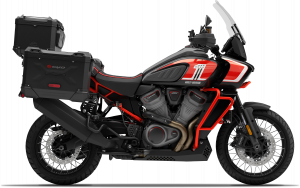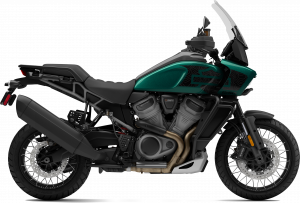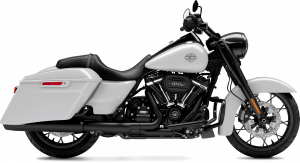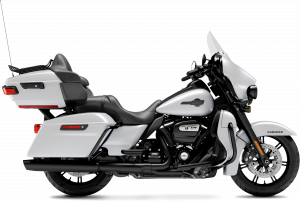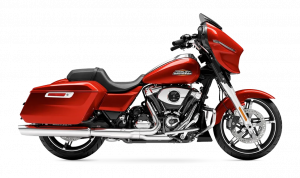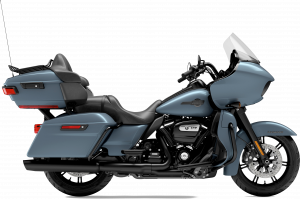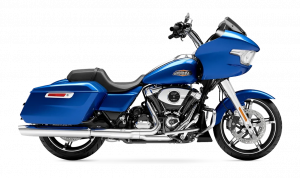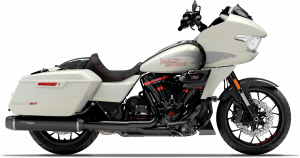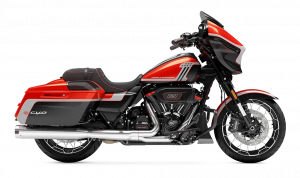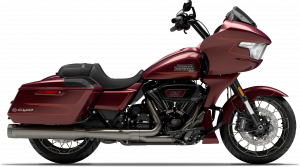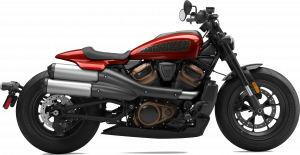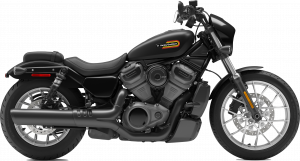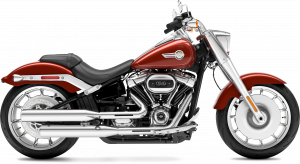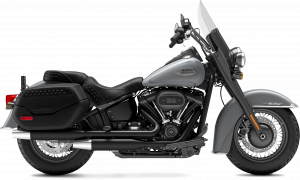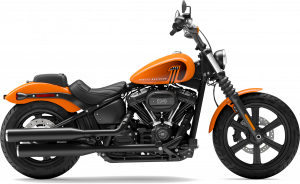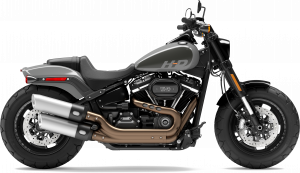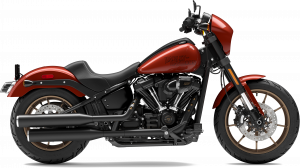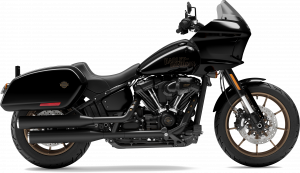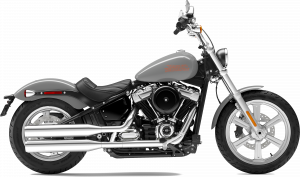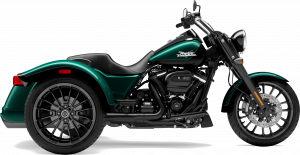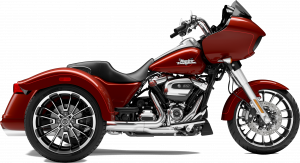
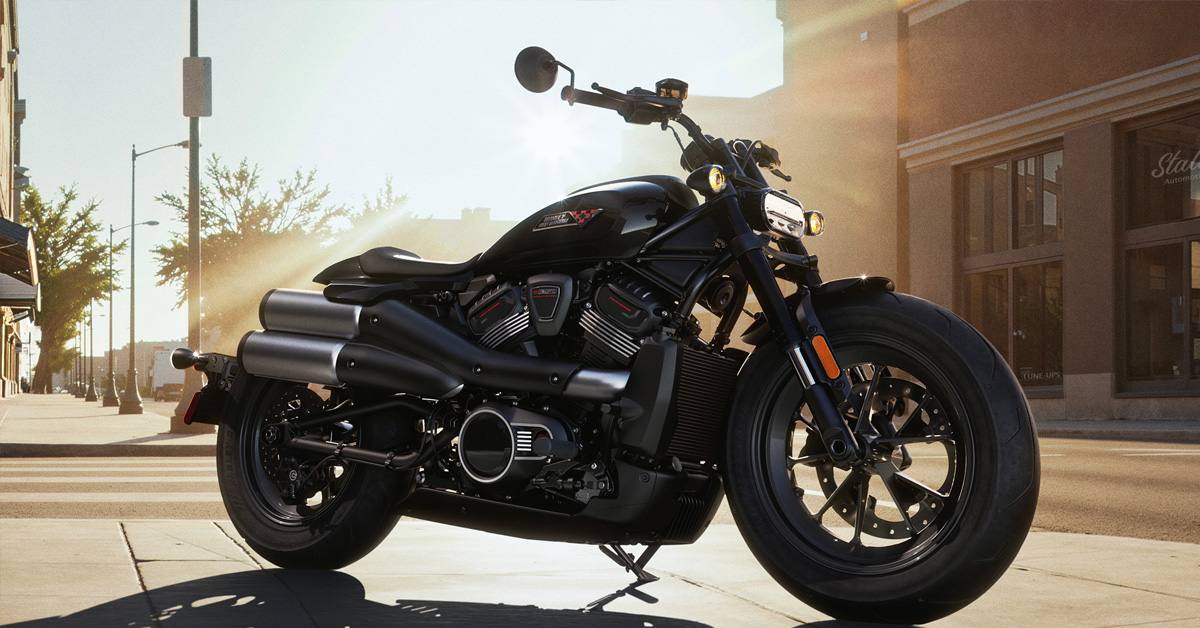
Most Harley-Davidson motorcycles average between about 40 and 50 MPG, though the exact Harley-Davidson miles per gallon depends on engine size, riding style, and bike category. Touring models like the Street Glide typically sit around the high-30s to low-40s, performance machines such as the Sportster S can reach the mid-40s, and classic cruisers like the Road King Special balance torque and efficiency near the low-40s. Understanding Harley-Davidson fuel economy is less about one number and more about choosing the bike that matches how and where you ride.
Reno Harley-Davidson is here to help riders find the perfect match, whether you are shopping for a new motorcycle, scheduling maintenance, arranging financing, or looking for genuine parts and accessories. Our team supports you long after the purchase with knowledgeable service and rider-focused guidance. Contact or visit Reno Harley-Davidson today and let us help you plan your next ride with confidence.
How Many MPG Does a Harley-Davidson Motorcycle Get?
Most riders want a simple answer. The typical Harley-Davidson MPG falls between 40 and 50 miles per gallon. Your real result will change with speed, traffic, and how hard you twist the throttle.
Large touring bikes often sit on the lower side of that range. Lighter or high-rev bikes can reach the higher side. The Street Glide usually lands near the middle because it mixes weight and smooth highway power.
Several things shape fuel use:
- Steady highway speed saves fuel
- Hard starts burn more gas
- Extra cargo lowers MPG
- Wind and hills reduce range
- Proper tire pressure helps mileage
Think of MPG as a range, not a fixed number. Most riders see better fuel use on open roads than in town. Smooth riding habits make the biggest difference.
In short, Harley-Davidson MPG depends more on the rider than the badge. Ride calm, plan your pace, and the tank will last longer.
What Is the Typical Harley-Davidson MPG Range Across Different Models?
The table below combines manufacturer specifications and widely reported real-world fuel economy figures. Official ratings vary by model year and riding conditions, and many touring models share similar engines and gearing, so their mileage often falls within the same range.
| Model | Estimated MPG |
| Breakout | ~43 MPG |
| CVO Pan America | ~45 MPG |
| CVO Road Glide | ~40 MPG |
| CVO Street Glide | ~40 MPG |
| Electra Glide Ultra Limited | ~40 MPG |
| Fat Boy 114 | ~42 MPG |
| FLHLT | ~40 MPG |
| FLHXL | ~40 MPG |
| FLHXLSE | ~40 MPG |
| FLHXU | ~40 MPG |
| FLTRXL | ~40 MPG |
| Freewheeler | ~39 MPG |
| Heritage Classic | ~45 MPG |
| Heritage Classic 114 | ~44 MPG |
| Low Rider ST | ~47 MPG |
| Road Glide | ~40 MPG |
| Road Glide 3 | ~43 MPG |
| Road Glide Limited | ~40 MPG |
| Road Glide Special | ~40 MPG |
| Road King Special | 43 MPG |
| Sportster S | ~49 MPG |
| Street Bob | ~47 MPG |
| Street Glide | ~39–41 MPG |
Harley-Davidson miles per gallon changes by bike type and engine size. Bigger bikes use more fuel at low speeds but cruise well on highways. Smaller and sport builds can sip fuel when ridden smooth.
Most models fall into clear groups:
Touring bikes
- About 38 to 44 MPG
- Built for long steady rides
- Heavy weight lowers city MPG
Cruiser bikes
- About 40 to 46 MPG
- Strong torque helps at normal speeds
- Good mix of power and range
Performance sport bikes
- About 42 to 50 MPG
- Light frame helps fuel use
- Throttle habits matter most
The Sporter S sits in the sport range. Calm riding keeps it near the top of the scale. Fast pulls and short trips drop the number fast.
Think of these as real-world ranges, not strict limits. Road type and rider style always shift the final number.
How Efficient Is the Street Glide on Long Rides?
The Street Glide is built for steady road travel. Long runs help improve Harley-Davidson gas mileage. The engine stays calm at cruise speed, which saves fuel.
Most riders see better results on open roads than in town. Stops and short trips lower range fast. A smooth pace keeps the bike in its best zone.
Why it works well on highways:
- Windscreen cuts drag
- Tall gears lower engine speed
- Heavyweight adds stable motion
- Cruise speed stays steady
Many riders compare it with the Road King Special. Both tour well, yet the fairing helps the Street Glide hold speed with less effort.
Expect a solid range on day trips. Ride calmly, and fuel stops become less frequent.
Does the Sportster S Use More Fuel Because It’s More Powerful?
More power does not always mean more fuel use. Harley-Davidson fuel economy depends on how the bike is ridden. The Sportster S can be very efficient at a steady speed.
Quick bursts and high revs will burn more gas. Calm riding keeps fuel use low. Many riders are surprised by how well it performs on daily trips.
Riding habits matter most:
- Smooth throttle saves fuel
- Short trips lower MPG
- Hard pulls raise fuel use
- Warm engines run more cleanly
Compared to a touring bike like the Street Glide, the lighter build helps in stop traffic. The touring bike wins on long highway runs.
So power alone is not the issue. Rider control decides the final fuel result.
How Does the Road King Special Balance Power and MPG?
The Road King Special blends strong pull with steady fuel use. It makes good torque at low speed, which helps save gas. Many riders place it near the middle of a Harley-Davidson MPG range guide.
It runs smoothly on back roads and highways. You do not need high revs to move fast. That keeps fuel burn low for a big bike.
Why the balance works:
- Low RPM cruise speed
- Strong torque off the line
- Stable weight at highway pace
- Simple wind flow with no fairing
Compared with a lighter bike like the Sporter S, it uses more fuel in town. Yet on open roads, the gap becomes small.
The result feels calm and steady. You get power when needed and range for long rides.
What Factors Change Your Harley-Davidson Fuel Economy the Most?
Harley-Davidson MPG can change more from habits than engine size. Two riders on the same bike can see very different fuel use. Even a steady cruiser like the Road King Special will vary day to day.
The biggest factors are simple and easy to control:
- Fast starts burn more fuel
- Steady speed saves gas
- High wind lowers range
- Cold starts use extra fuel
- Low tire pressure hurts MPG
Load and setup also matter:
- Heavy bags reduce mileage
- Passenger weight adds drag
- Tall windshields may help or hurt
- Poor tune-ups waste fuel
Smooth riding helps the most. Plan stops, keep a calm pace, and watch your throttle. Small changes add up over long rides.
Is Highway Riding or City Riding Better for Harley-Davidson MPG?
Highway riding almost always gives better Harley-Davidson miles per gallon. The engine stays warm and runs at a steady speed. Fewer stops mean less fuel wasted.
City streets force the bike to work harder. Each stoplight needs a new launch. That burns more gas in a short time.
Why highways help mileage:
- Steady RPM saves fuel
- Less braking and starting
- Better air flow for cooling
- Engines stay in top gear
Touring bikes benefit the most. The Street Glide shines on long roads with calm throttle use.
City riding still works fine for short trips. Expect lower MPG, but normal for stop traffic.
How Far Can a Harley-Davidson Go on a Full Tank?
Range depends on tank size and Harley-Davidson gas mileage. Most riders can travel well over one hundred miles per fill. Some touring bikes can go much farther on calm roads.
Smaller tanks need more stops, even with good MPG. The Sporter S trades range for light weight and quick feel. Plan fuel breaks on long rides.
Typical real-world ranges:
- Small tank bikes, about 120 to 180 miles
- Mid-size cruisers, about 160 to 220 miles
- Large touring bikes, about 220 to 300 miles
Road speed changes these numbers fast. Headwinds and hills reduce distance. Smooth riding helps stretch each tank.
Watch your fuel gauge often. Trip meters help track the safe distance between stops.
Do Engine Types Affect Harley-Davidson Gas Mileage?
Yes, engine design plays a big role in a Harley-Davidson's fuel economy. Some motors make power at low speed, while others need higher revs. Lower rev engines often use less gas on long rides.
Cruiser engines focus on torque, not peak speed. That helps them stay relaxed at highway pace. A bike like the Road King Special benefits from this style.
Main engine traits that affect fuel use:
- Low RPM torque saves fuel
- High rev power uses more gas
- Cooling type changes heat loss
- Gear ratios control engine speed
Liquid-cooled motors run clean and smoothly in traffic. Air-cooled motors shine on open roads. Both can be efficient when ridden right.
Choose the engine that fits your ride style. The right match keeps fuel use steady and easy to predict.
How Can Riders Improve Harley-Davidson Miles Per Gallon?
Small habits can stretch every tank. A simple Harley-Davidson MPG range guide starts with smooth riding. The goal is steady motion and low engine stress.
Good riding technique helps the most:
- Roll on the throttle, do not snap it
- Shift early at low RPM
- Keep a steady cruise speed
- Avoid long idle time
Bike care also matters:
- Check tire pressure often
- Use fresh oil at service time
- Keep the air filter clean
- Remove extra weight when possible
Touring bikes like the Street Glide reward calm highway pace. Plan routes with fewer stops when you can. Smooth riders always see better range.
Are Bigger Harley-Davidson Motorcycles Less Fuel Efficient?
Many riders think large bikes always use more fuel. Real Harley-Davidson MPG results are not that simple. Size matters less than how the bike is ridden.
Big engines make strong torque at low speed. That lets the bike cruise without high revs. Lower revs often mean less fuel burn.
Why bigger bikes can still be efficient:
- Tall gears reduce engine strain
- Steady speed helps heavy bikes
- Long rides improve mileage
- Torque needs less throttle
A lighter bike like the Sporter S wins in stop traffic. A large cruiser may match it on open roads.
So, weight alone does not decide fuel use. Riding style and road type matter more.
What Should Riders Expect From a Harley-Davidson MPG Range Guide?
A range guide shows estimates, not fixed numbers. Harley-Davidson miles per gallon will change with road and weather. Use it as a planning tool, not a promise.
Most guides assume calm riding at a steady speed. Real life adds traffic, wind, and hills. Even a touring bike like the Road King Special can vary day to day.
What a good guide helps you plan:
- Fuel stops on long trips
- Safe distance before reserve
- Best cruising speed range
- Seasonal riding changes
Cold air lowers fuel use at first start. Hot days and heavy loads also shift results. Watch patterns over time to learn your bike.
Treat the guide as a baseline. Your own rides will give the most accurate range.
Which Harley-Davidson Model Offers the Best Balance of Power and Efficiency?
The best balance depends on how you ride each day. A Harley-Davidson MPG range guide helps compare power with fuel use. No single bike fits every rider.
Some riders want quick speed in town. Others want long miles on open roads. Your daily route matters more than engine size.
General balance by ride style:
- City use, lighter bikes feel best
- Mixed roads, mid-weight cruisers shine
- Long trips, touring bikes lead
The Street Glide works well for riders who travel far but still want a strong pull. It keeps a calm RPM at cruise speed. That helps both comfort and range.
Pick the bike that matches your routine. The right match gives smooth power and steady fuel use.
Harley-Davidson MPG and Fuel Efficiency FAQ
Many riders want quick, clear answers about fuel use before choosing a bike or planning a trip. These direct responses help you compare models, improve efficiency, and avoid common fuel-related issues.
Which 2026 Harley-Davidson motorcycle has the best MPG?
Based on available fuel economy figures, the 2026 Sportster S delivers the highest MPG, rated at about 5.1 L per 100 km, which equals roughly 46 MPG.
What are tips to improve my Harley's fuel efficiency?
Improve fuel efficiency by riding at steady speeds, shifting at lower RPM, keeping tires properly inflated, reducing excess weight, and staying current on oil and air filter maintenance.
What are the possible causes of poor MPG in a motorcycle?
Poor MPG can be caused by aggressive throttle use, frequent short trips, low tire pressure, dirty air filters, poor maintenance, heavy loads, strong headwinds, and excessive idling.
What type of fuel do Harley-Davidson motorcycles use?
Harley-Davidson motorcycles use unleaded gasoline, and most modern models are designed to run on 91 octane or higher for best performance and efficiency.
Harley-Davidson MPG Guide and Motorcycle Shopping in Reno, Nevada
Fuel range matters when you plan rides and daily trips. Our team can help you match a bike to your needs. Riders in Reno, Nevada, can visit Reno Harley-Davidson to see models in person. Check out the Street Glide, Sportster S, and Road King Special up close. You can also start the process online by completing our secure finance application. Contact or visit us today and get help from riders who know these bikes well.
Keep learning about safe and smart riding on our site. See the basics in dirt vs street bikes. Watch for wear signs in transmission warning signs. Know local rules with motorcycle noise limits.
Contact Reno Harley Davidson
Get Directions to Reno Harley Davidson
Disclaimer: All information is provided for general informational and entertainment purposes only. While we strive for accuracy, we cannot guarantee that all content is complete, current, or error-free. Any reliance you place on such information is strictly at your own risk. This article may include opinions and is not endorsed by, or officially affiliated with, any vehicle manufacturer or brand. Always consult official sources – such as the vehicle’s owner’s manual, authorized dealerships, or certified professionals – for the most up-to-date and personalized information.