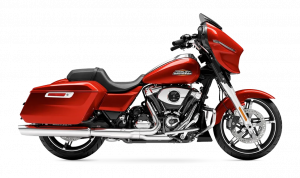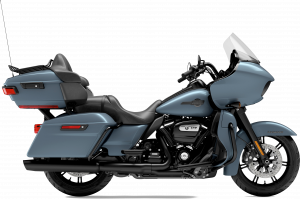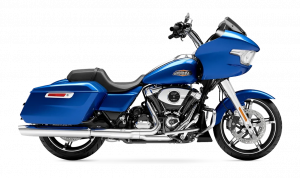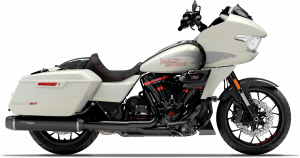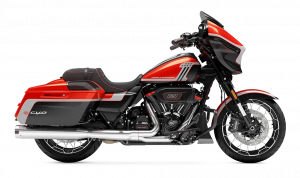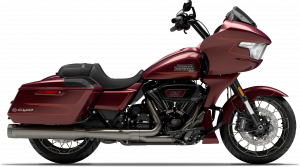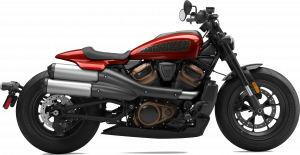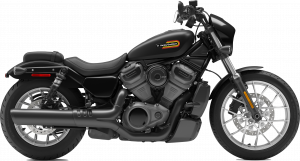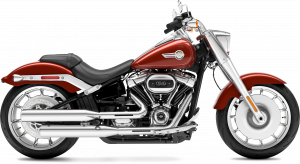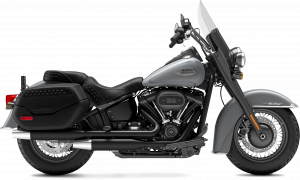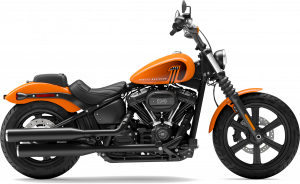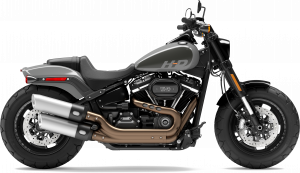
At Reno Harley-Davidson, we’re proud to serve riders across Reno, Sparks, Hidden Valley, and Mira Loma with everything you need to keep your Harley-Davidson performing at its best. From motorcycle sales to expert service, from authentic parts to customization, our team is here to support your passion for the open road. Whether you’re interested in upgrading your ride, learning more about performance options, or simply making sure your Harley stays in peak condition, we’re here to help—so don’t hesitate to give us a call or contact us today.
When it comes to Harley-Davidson motorcycles, few debates spark more conversation than the choice between belt drives and chain drives. Both systems transfer power from the engine to the rear wheel, but each offers unique strengths and drawbacks that matter to every rider. From the smooth, low-maintenance comfort of a belt drive to the rugged strength and flexibility of a chain drive, understanding the difference helps riders of models like the Street Glide, Breakout, and Heritage Classic 114 choose the system that fits their style. For Harley enthusiasts across northern Nevada, knowing how belt drives and chain drives compare is the key to making the right decision on the road ahead.
Why Do Many Harley-Davidson Models Come Standard with Belt Drives?
Harley-Davidson has used belt drives on many of its touring and cruiser bikes since the 1980s. Riders choose them for long trips because they are easy to care for and built to last. When compared to a chain, the belt offers a smoother and quieter ride. For many riders, that’s the difference between a long, calm trip and a noisy one.
Belt drives are also strong against rust and can last far longer than chains. A well-kept belt may run for 60,000 to 100,000 miles. That’s why many Harley-Davidson touring bikes, such as the Street Glide and Heritage Classic 114, come with belts as the standard drive. Riders who cruise highways through Reno, Sparks, and beyond often find this choice fits their style best. Key benefits of belt drives include:
- Smooth ride - Less shake and less noise on long trips.
- Low upkeep – No need for oil or grease like chains.
- Rust-proof – Belts hold up in wet or damp areas.
- Long life – Often two to three times longer than chains.
When riders think about belt drive vs chain drive motorcycle setups, it often comes down to comfort and care. For those who put miles on the road each week, the belt drive is often the clear choice.
What Are the Downsides of Belt Drives?
While belts are smooth and quiet, they do have weak points. They are not built to take sudden bursts of power. Aggressive riders who push hard from a stop may stress a belt past its limit. This makes a belt less suited for drag runs or stunt work.
Belts are also more open to damage from the road. Small rocks, sand, or gravel can cut into the belt or even snap it. On long rides through Nevada, where road debris is common, this can be a real risk.
Another point to keep in mind is cost. Belts and pulleys cost more to change than chains and sprockets. For some, this is a small price to pay for ease of care. But for others, it is a deal breaker. Key drawbacks of belt drives include:
- Torque limits – less ideal for drag starts or hard throttle use.
- Road debris – gravel, sand, or rocks can break or cut belts.
- High price – belts and pulleys cost more than chains and sprockets.
When riders weigh a belt drive vs chain drive motorcycle, it often comes down to how they ride. Those who push for peak power, such as Breakout owners in Reno or Sparks, may look at chains as a better match.
Why Do Some Riders Still Prefer Chain Drives on Their Harley-Davidson?
Many Harley-Davidson riders still trust the chain for its raw strength. Chains are made to take high loads and hard torque. They work well for those who ride fast, ride hard, or want full control of gear changes.
Unlike most Harley-Davidson belt drive models, a chain allows quick swaps of sprockets. This makes it easy to fine-tune gear ratios for more speed or more pull. For riders who want to build custom bikes, chains give them more ways to shape power. Key reasons some riders choose chains include:
- High strength – strong under heavy torque and fast starts.
- Gear changes – easy to swap sprockets for custom use.
- Off-road use – chains hold up better in dirt or gravel.
- Custom builds – great for riders who want full control.
For long rides, belts make sense on bikes like the Heritage Classic 114. But for those who ride rough roads or chase more power, chains stand out. Some riders even choose a Harley-Davidson chain drive conversion to get the best setup for their style. In places like Hidden Valley or Mira Loma, where rough paths and strong rides are part of the draw, a chain can be the better fit.
What Are the Disadvantages of Chain Drives Compared to Belts?
Chains may be strong, but they come with trade-offs. The biggest is the need for frequent care. Chains must be cleaned, oiled, and adjusted on a regular basis. Skipping this care can shorten their life and cause wear on other parts.
They also do not last as long as belts. Most chains will need to be changed between 20,000 and 30,000 miles. By contrast, belts often run two or three times that distance.
Noise is another drawback. Chains are louder than belts and pass more shake through the frame. This can make long rides less calm and less smooth. For riders who tour on bikes like the Street Glide, comfort often wins over raw power. Main drawbacks of chain drives include:
- High care needs – oil, clean, and adjust on a set schedule.
- Short life – most chains last 20,000–30,000 miles.
- Noise and shake – more sound and more buzz than belts.
For riders in Sparks who ride far and often, the upkeep of a chain may not be worth it. That is why many stick with belts or avoid a Harley-Davidson chain drive conversion unless they have a clear need for more torque.
Which Harley-Davidson Motorcycles Benefit Most from Belt Drives?
Belt drives shine on bikes made for long trips and smooth rides. They are built for riders who want less care and more comfort. Touring and cruiser bikes often use them as the standard choice.
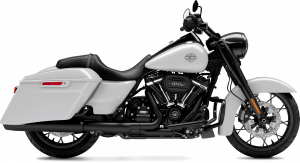
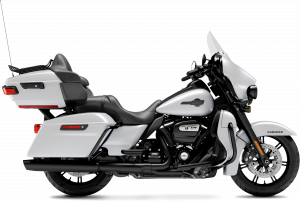
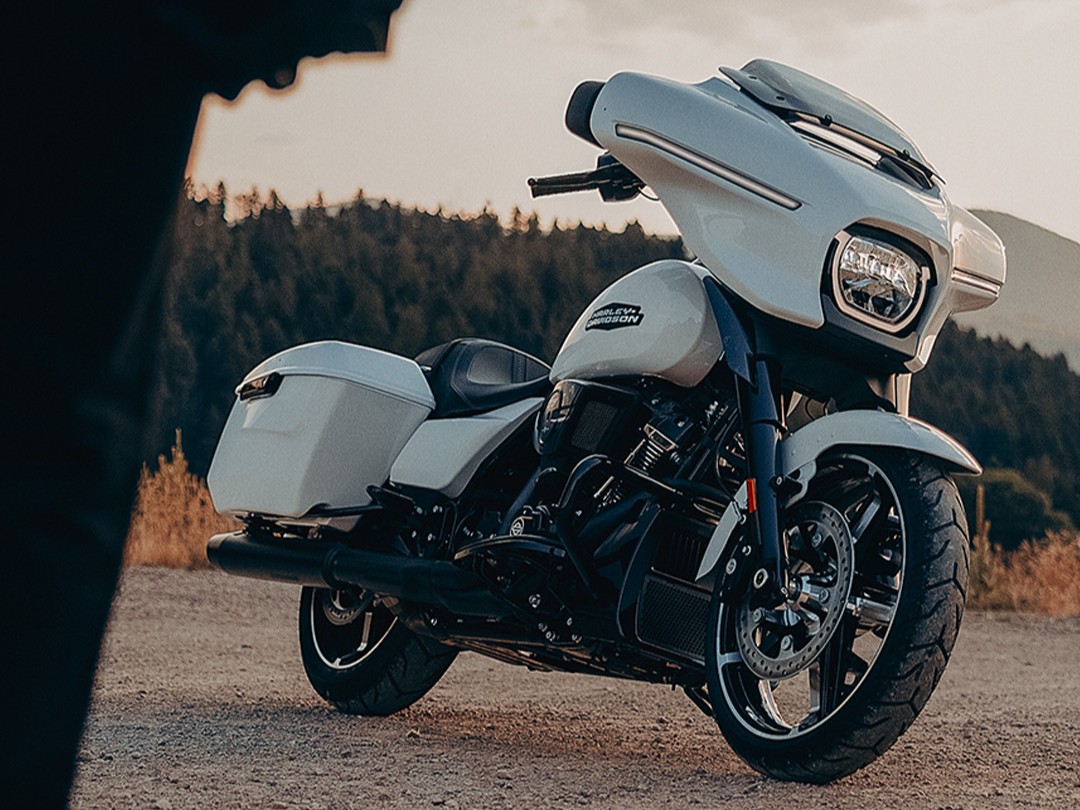
Models like the Street Glide and Heritage Classic 114 are prime examples. Both are made for open roads and long hours in the seat. A belt drive cuts down noise and shake, making these bikes more calm to ride.
For riders in Reno or Sparks, belts are a great fit for both day rides and weekend trips. Long runs across Nevada highways are easier when you don’t need to worry about oil, noise, or chain care. Key groups who benefit most from belt drives:
- Touring riders – smooth, quiet rides on long trips.
- Cruiser fans – less upkeep for daily use or short rides.
- Highway riders – more calm on open road miles.
When you weigh a belt drive vs chain drive, the choice often comes down to style. Riders who push for raw power on a Breakout may lean toward a chain. But for most who value ease and calm rides, Harley-Davidson belt drive models remain the best match.
When Should You Consider a Chain Drive Conversion for Your Harley-Davidson?
While belts work well for most riders, there are times when a chain makes more sense. Chains can take more torque and stress than belts. They also give riders more ways to change gear setups with ease.
A Harley-Davidson chain drive conversion is often best for those who ride hard or seek high power gains. Owners of bikes like the Breakout or custom baggers may want the extra strength a chain can give.
Chains also hold up better on rough ground. Nevada riders who spend time on desert or rural roads may need the added toughness. A belt is strong on smooth pavement, but a chain is built for rocks, sand, and debris. Situations where a chain drive is a good choice:
- High torque use – drag starts, strong pulls, or stunt work.
- Custom rides – stunts, racing, or heavy mods.
- Rough roads – rural or desert paths with gravel or sand.
For riders of touring models like the Heritage Classic 114, a belt may still be the best fit. But for those who weigh the choice of belt drive vs chain drive motorcycle setups, a chain can offer more raw strength and freedom to build.
How Do You Decide Between a Belt Drive and a Chain Drive for Your Harley-Davidson?
The choice between a belt and a chain depends on how you ride. Both have strong points and weak points. Knowing your own style will help you find the right match. Belt drives fit well on bikes built for long road trips and smooth rides. Chains work best for riders who want raw power or plan heavy mods. Here’s a quick look at both options:
| Belt Drives | Chain Drives |
| Smooth, quiet ride | Strong under heavy torque |
| Low upkeep, no oil needed | Can swap sprockets for custom gear ratios |
| Long life span, up to 100,000 miles | Holds up well on rough or dirty roads |
| Rust proof | Needs oil, clean, and care often |
Touring fans on bikes like the Street Glide or Heritage Classic 114 will likely enjoy the calm and easy care of belts. Riders who build or race, such as those on a Breakout, may find chains fit them better. When weighing Harley-Davidson belt drive models against chain setups, the best choice comes down to comfort, care, and the way you ride.
Frequently Asked Questions About Harley-Davidson Belt and Chain Drives
Are any Harleys chain driven?
Most new Harley-Davidson motorcycles use belt drives, but some riders convert to chain drives for performance needs.
When did Harley-Davidson go from chain drive to belt drive?
Harley-Davidson began switching to belt drives in the early 1980s, starting with models like the FXB Sturgis.
Which is better belt drive or chain drive?
Belt drives are better for comfort and low upkeep, while chain drives are better for strength and custom gear setups.
What are the disadvantages of a belt drive bike?
Belt drives are less suited for high torque builds and can wear faster on gravel or dirt roads.
What are the disadvantages of a chain drive bike?
Chain drives need regular oiling, cleaning, and tension checks, and they are louder than belts.
Why would you use a chain drive instead of a belt drive?
A chain drive is often used when riders want more torque handling, stunt riding, or flexible gear ratio changes.
Where Can Riders in Reno and Sparks Learn More About Harley-Davidson Drive Systems?
Choosing between a belt and a chain drive depends on your style and how you ride. Reno Harley-Davidson can help you weigh the pros and cons of each setup.
Our team offers expert guidance on belt drive vs chain drive motorcycle options, along with full support for Harley-Davidson chain drive conversion kits and OEM parts. Riders in Reno, Sparks, Hidden Valley, and Mira Loma can count on us for service, advice, and a wide selection of models like the Street Glide, Breakout, and Heritage Classic 114.
If you are interested in learning more, keep exploring our site. You can read about Nevada license plates, compare the Heritage Classic upgrade, or check our guide on the best tall riders.
Visit Reno Harley-Davidson today and let us help you keep your ride strong and ready for the road. Take a moment to browse our full lineup of Harley-Davidson motorcycles. From cruisers built for comfort to performance models made for power, there’s a ride here for every rider.
Get Directions to Reno Harley Davidson
Disclaimer: All information is provided for general informational and entertainment purposes only. While we strive for accuracy, we cannot guarantee that all content is complete, current, or error-free. Any reliance you place on such information is strictly at your own risk. This article may include opinions and is not endorsed by, or officially affiliated with, any vehicle manufacturer or brand. Always consult official sources – such as the vehicle’s owner’s manual, authorized dealerships, or certified professionals – for the most up-to-date and personalized information.